
External Storage Devices Pros and Cons are essential to consider in today’s digital landscape, where data storage needs are ever-increasing. These devices offer a practical solution for managing large amounts of information, providing portability and flexibility that internal storage often lacks. Understanding their advantages and disadvantages can help users make informed decisions tailored to their specific needs.
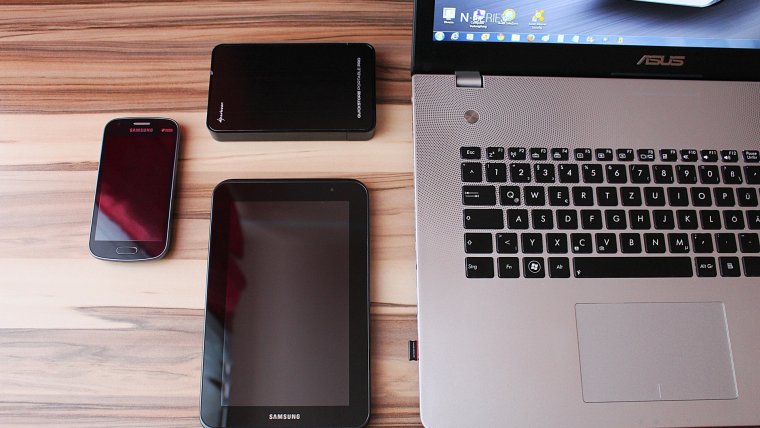
From the convenience of carrying files on-the-go to potential issues like data loss and security vulnerabilities, exploring the pros and cons of external storage devices sheds light on their role in personal and professional settings. This discussion aims to provide a balanced perspective, ensuring that users can fully appreciate the value these tools bring to modern data management.
In our fast-paced digital age, the necessity for digital literacy has become increasingly critical. Digital literacy encompasses the skills and knowledge required to effectively navigate, evaluate, and create information using digital technology. As our society becomes more intertwined with technology, understanding how to utilize it responsibly and efficiently has become a crucial skill set for individuals of all ages.
Defining Digital Literacy: External Storage Devices Pros And Cons
Digital literacy is not just about knowing how to use computers or smartphones; it involves a broader understanding of how digital tools and platforms work. It includes the ability to critically evaluate online information, understanding digital communication etiquette, and recognizing the implications of digital footprints. Moreover, digital literacy extends to various domains, including education, business, and personal life.
The Role of Digital Literacy in Education
In educational settings, digital literacy has transformed the way students learn and interact with information. With the rise of remote learning and online resources, students must develop the ability to find, analyze, and synthesize information from various digital platforms. This skill not only enhances their learning experience but also prepares them for a workforce that increasingly relies on technology.
Moreover, educators have a pivotal role in fostering digital literacy among students. By integrating technology into the curriculum, teachers can help students develop critical thinking skills and the ability to discern credible sources from unreliable ones. This approach encourages students to engage more actively with content rather than passively consuming information.
Digital Literacy in the Workplace
The workplace has also seen significant changes due to advancements in digital technology. Employers now seek candidates who possess strong digital literacy skills, as these individuals can adapt to new technologies and contribute to a collaborative work environment. Proficiency in using digital tools not only enhances productivity but also facilitates better communication among team members.
Moreover, digital literacy contributes to professional development. Many industries are utilizing online training platforms and e-learning resources to upskill their employees. Organizations that prioritize digital literacy are more likely to foster an innovative culture that embraces change and adapts to industry trends.
The Social Impact of Digital Literacy
Beyond education and the workplace, digital literacy plays a vital role in promoting social inclusion. As many services and resources move online, individuals who lack digital skills may find themselves at a disadvantage. This digital divide can exacerbate existing inequalities, making it essential to promote digital literacy initiatives that reach marginalized communities.
Various organizations and governments are working to bridge this gap by providing access to digital training programs. Such initiatives empower individuals with the skills needed to participate fully in society, access essential services, and create opportunities for themselves and their families.
Challenges to Digital Literacy
Despite the growing recognition of its importance, several challenges hinder the widespread adoption of digital literacy. One significant barrier is the lack of access to technology, particularly in rural or low-income areas. Without reliable internet access or modern devices, individuals cannot engage with digital learning opportunities.
Additionally, the rapid pace of technological change can leave many feeling overwhelmed. Constant updates and new platforms can create a steep learning curve, particularly for older adults who may not have grown up with technology. Addressing these challenges requires a concerted effort from educational institutions, governments, and communities.
The Future of Digital Literacy
Looking ahead, the future of digital literacy will likely continue to evolve in response to technological advancements. As artificial intelligence, virtual reality, and other emerging technologies become more integrated into our daily lives, the skills required to navigate this landscape will also change.
It will be essential for educational institutions to stay updated on these trends and adapt their curricula accordingly. Lifelong learning will become a cornerstone of digital literacy, with individuals needing to continuously update their skills to remain relevant in the job market.
Conclusion
In conclusion, digital literacy is a fundamental skill that underpins many aspects of modern life. Its importance cannot be overstated, as it influences educational outcomes, workplace efficiency, and social inclusion. To thrive in the digital age, individuals must equip themselves with the necessary skills to navigate an increasingly complex digital landscape. By prioritizing digital literacy initiatives and fostering a culture of lifelong learning, we can ensure that everyone has the opportunity to succeed in our technology-driven world.
Expert Answers
What types of external storage devices are available?
Common types include external hard drives, USB flash drives, SSDs, and network-attached storage (NAS) devices.
Are external storage devices secure?
While many provide encryption options, they can still be vulnerable to theft, loss, or cyberattacks, so proper security measures are essential.
How do I choose the right external storage device?
Consider factors such as storage capacity, speed, portability, and budget when selecting a device that meets your needs.
Can external storage devices be used for backup?
Yes, they are often used for backing up important files and data due to their ease of use and additional storage space.
What should I do if my external storage device fails?
Try troubleshooting steps like checking connections, using different ports, or data recovery software, but consider professional help for serious issues.


