
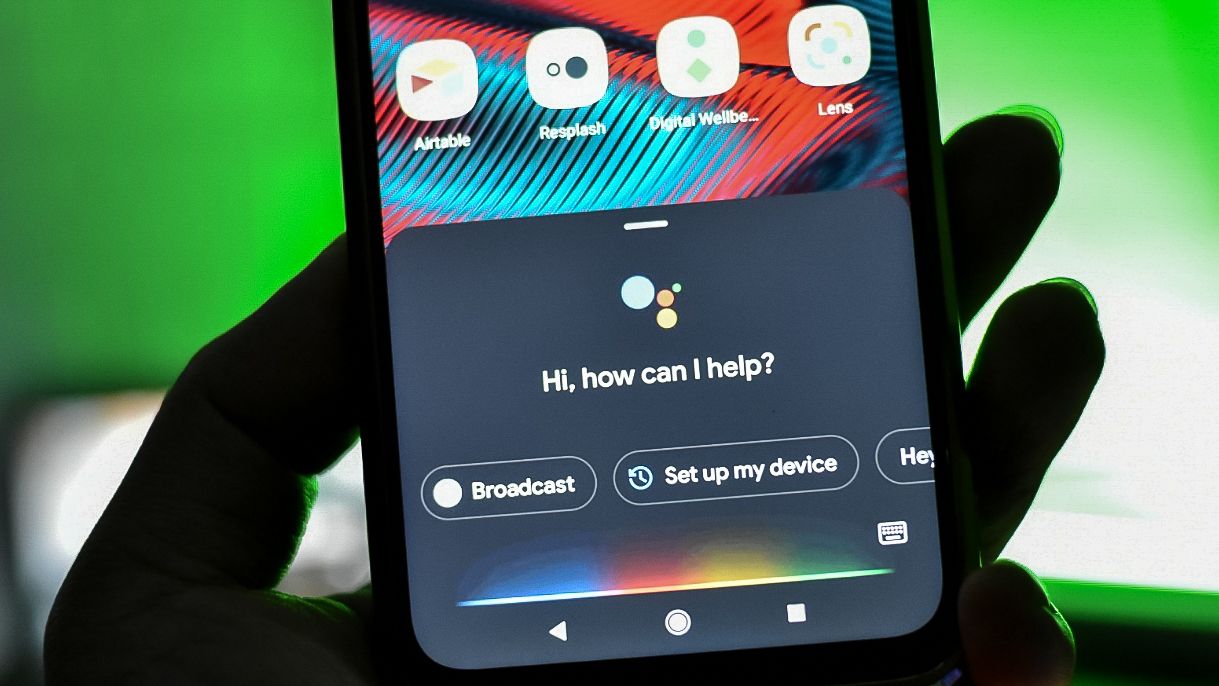
How to Use Google Assistant on Android is an essential guide for anyone looking to enhance their smartphone experience. This powerful virtual assistant can streamline your daily tasks, answer queries, and control smart devices, making it a must-have tool in today’s digital landscape. Whether you’re new to Android or a seasoned user, understanding how to leverage Google Assistant can significantly improve your productivity and provide a seamless interaction with your device.
From setting reminders and sending messages to asking for directions and controlling your home environment, Google Assistant is designed to simplify daily activities. In this guide, we will explore the various features of Google Assistant, how to activate it, and tips to get the most out of this versatile assistant.
In today’s fast-paced digital world, the importance of effective communication cannot be overstated. The way we connect with each other—whether through emails, social media, or in-person meetings—has evolved dramatically over the last decade. This article will explore the nuances of communication in various contexts and offer insights into how we can improve our skills for better interactions.Effective communication is the cornerstone of successful relationships, both personal and professional.
It involves not only the words we choose but also our tone, body language, and listening skills. Miscommunication can lead to misunderstandings, conflict, and ultimately, the breakdown of relationships. Therefore, honing our communication skills is essential for fostering positive interactions.One of the first steps to improving communication is understanding the different channels through which we communicate. In the digital age, we have a plethora of options—emails, text messages, video calls, and social media platforms.
Each medium has its own set of rules and etiquette that can affect how messages are perceived. For example, an email lacks the immediate feedback of a conversation, which can lead to misunderstandings if the tone isn’t carefully crafted. On the other hand, a text message may come off as too casual for formal discussions.When it comes to professional settings, clarity is key.
In emails, especially, it’s important to get straight to the point while maintaining a respectful tone. Starting with a courteous greeting, followed by a clear statement of purpose, can set the stage for effective communication. For instance, instead of saying, “I just wanted to remind you about the meeting tomorrow,” a more direct approach like, “This is a reminder about our meeting scheduled for tomorrow at 10 AM” is often more effective.In addition to clarity, being concise is also critical.
With so much information bombarding our attention every day, people appreciate brevity in communication. Long-winded messages can lose the reader’s interest and lead to important points being overlooked. Therefore, focusing on essential information and eliminating unnecessary details can enhance the effectiveness of your message.Listening is another crucial component of effective communication. It’s not just about speaking clearly; it’s also about understanding what others are saying.
Active listening involves giving full attention to the speaker, acknowledging their message, and responding thoughtfully. This practice can help create an environment of respect and understanding, allowing for more productive conversations.In face-to-face interactions, body language plays a significant role in communication. Non-verbal cues such as eye contact, posture, and facial expressions can convey confidence and openness. Conversely, closed-off body language, like crossed arms or avoiding eye contact, can signal disinterest or defensiveness.
Being aware of these signals can help you communicate your messages more effectively and interpret the messages of others accurately.Moreover, understanding your audience is essential for tailoring your communication style. Different people have different preferences for how they like to receive information. For instance, some individuals may prefer detailed explanations while others appreciate a high-level overview. By adapting your communication style to suit your audience, you can enhance comprehension and engagement.In the realm of social media, the dynamics of communication take on a different flavor.
Platforms like Twitter and Instagram favor brevity and visual engagement. Crafting a message that resonates in such a fast-paced environment requires creativity and an understanding of the platform’s unique culture. The use of hashtags, emojis, and images can help convey emotions and ideas quickly, but it’s essential to strike the right balance between professionalism and relatability.With the rise of remote work, video calls have become a staple mode of communication.
However, many individuals still struggle with the nuances of virtual meetings. Here are a few tips for effective communication in a video call setting:
1. Prepare Ahead of Time
2. Engage with Visuals Share your screen or use presentation materials to help convey your points more effectively. Visual aids can enhance understanding and keep participants engaged.
3. Use Names Addressing participants by their names can create a more personal atmosphere and encourage involvement from everyone.
4. Be Mindful of Time In virtual meetings, it’s easy for discussions to go off track. Keeping an eye on the agenda and time can help maintain focus and ensure all topics are covered.
5. Follow Up After the meeting, sending a summary of key points and action items can solidify understanding and accountability.As we navigate through various communication contexts, it’s vital to remain adaptable and open to feedback. No one is perfect, and there’s always room for improvement. Seeking constructive criticism from peers and mentors can provide valuable insights into your communication style and help identify areas for growth.Lastly, embracing empathy in communication can transform interactions.
Understanding and acknowledging the feelings of others can foster an environment of trust and collaboration. When we communicate with empathy, we create connections that go beyond mere words. This emotional intelligence can lead to stronger relationships and more effective teamwork.In conclusion, effective communication is a multifaceted skill that requires continuous development and awareness. By understanding the different channels, honing clarity and conciseness, practicing active listening, and adapting to your audience, you can significantly enhance your communication skills.
Remember, communication is not just about speaking; it’s about connecting, understanding, and building relationships. As we move forward in this digital age, let’s make a conscious effort to improve our communication for a more connected and understanding world.


