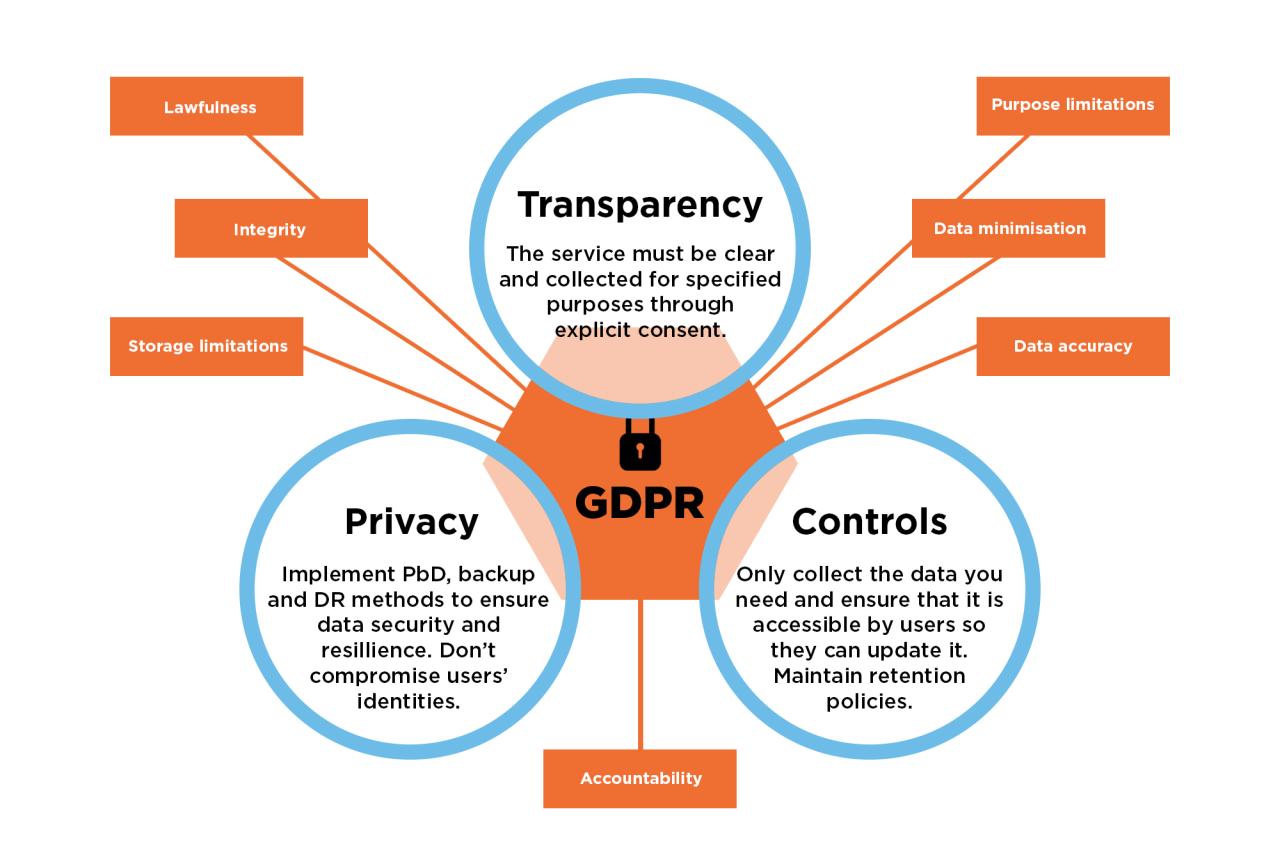
CRM and GDPR: Ensuring Data Privacy and Compliance sets the stage for an essential discussion at the intersection of customer relationship management and data protection regulations. In today’s digital landscape, businesses are increasingly reliant on data to foster relationships with their customers, making it crucial to adhere to the General Data Protection Regulation (GDPR). This regulation not only safeguards personal information but also builds trust with clients, creating a win-win situation for both parties.
Understanding how CRM systems can align with GDPR requirements is vital for any organization looking to maintain compliance while still leveraging data effectively. As we explore this topic, we’ll unpack the nuances of GDPR, its implications for CRM practices, and the best strategies to ensure data privacy without compromising customer engagement.
In today’s fast-paced world, the importance of effective communication cannot be overstated. Whether in a professional setting or personal interactions, the way we convey our thoughts and ideas can significantly impact outcomes. This article delves into the nuances of communication, exploring various forms and strategies that enhance our ability to connect with others.### Understanding CommunicationCommunication, at its core, is the process of exchanging information.
It involves a sender, a message, a medium, and a receiver. This seemingly simple act can take on various forms, including verbal, non-verbal, written, and visual communication. Each form has its unique advantages and can be strategically employed depending on the context.#### Verbal CommunicationVerbal communication involves the use of spoken words to convey messages. It is perhaps the most direct means of communication, allowing for immediate feedback and clarification.
In professional settings, effective verbal communication can lead to better teamwork, clearer understanding of tasks, and enhanced relationships among colleagues. For instance, consider a team meeting where project updates are shared. The clarity of expression and the ability to engage in dialogue significantly influence the meeting’s effectiveness. Employing active listening—where one fully concentrates on what is being said rather than merely waiting for their turn to speak—can foster a more collaborative environment.#### Non-Verbal CommunicationNon-verbal communication encompasses body language, facial expressions, gestures, posture, and even eye contact.
This form of communication often conveys more than words alone. Studies suggest that a significant portion of human interaction is non-verbal. Being mindful of one’s body language can help reinforce or contradict spoken messages.For example, maintaining eye contact can convey confidence and attentiveness, whereas crossed arms might signal defensiveness. Understanding these signals can enhance interpersonal interactions, making it essential for anyone looking to improve their communication skills.### Written CommunicationIn the digital age, written communication has become increasingly prominent.
From emails and reports to social media posts and text messages, the ability to write clearly and effectively is crucial. Written communication allows individuals to convey information over distances and time, providing a record that can be referenced later.One vital aspect of written communication is clarity. A well-structured email, for instance, should have a clear subject line, a concise body, and a courteous closing.
Avoiding jargon and using simple language can help ensure that the message is understood by a broad audience. Moreover, understanding the audience is critical. A message intended for a colleague may differ significantly from one meant for a client. Tailoring the tone and content to suit the recipient can enhance engagement and comprehension.### Visual CommunicationVisual communication involves the use of visual aids to convey information.
This can include graphs, charts, images, videos, and infographics. In a world inundated with information, visuals can simplify complex data and make it more digestible.For example, a well-designed infographic can distill extensive research findings into key points that are easy to understand at a glance. Similarly, presentations that incorporate visuals often hold the audience’s attention better than those relying solely on text.
Utilizing visual elements strategically can enhance the overall effectiveness of a message.### The Role of EmpathyEmpathy plays a critical role in communication. It involves understanding and sharing the feelings of others, which can significantly enhance interpersonal interactions. When we approach conversations with empathy, we are more likely to listen actively and respond thoughtfully.In professional settings, demonstrating empathy can lead to improved collaboration and conflict resolution.
For instance, during a disagreement, acknowledging the other person’s perspective can pave the way for finding common ground. This not only helps in resolving issues but also builds trust and respect among colleagues.### Barriers to Effective CommunicationDespite its importance, several barriers can hinder effective communication. These may include language differences, cultural misunderstandings, emotional barriers, and even environmental factors such as noise.
To overcome these challenges, individuals can take proactive steps. For instance, being aware of one’s own biases and assumptions can help in communicating more effectively with diverse groups. Additionally, creating a conducive environment for communication—one that minimizes distractions—can also enhance clarity.### The Impact of Technology on CommunicationTechnology has profoundly transformed the landscape of communication. With the advent of emails, instant messaging, and video conferencing, information can be shared instantaneously across the globe.
However, while technology offers convenience, it also poses challenges.The lack of face-to-face interaction can lead to misunderstandings, as non-verbal cues are often absent in digital communication. Therefore, being mindful of tone and wording in written communication becomes even more critical. Utilizing emojis or gifs can sometimes help convey emotions that may otherwise be lost in text.### Strategies for Enhancing Communication Skills
1. Active Listening
This involves fully concentrating on the speaker, understanding their message, responding thoughtfully, and retaining the information for future reference.
2. Clarity and Conciseness
Always aim to convey messages in a straightforward manner. Avoid unnecessary jargon and be direct about your intentions.
3. Feedback
Offering and requesting feedback can foster a culture of open communication. It helps individuals understand how their messages are perceived and allows for improvement.
4. Practice Empathy
Strive to see things from the other person’s perspective. This can enhance understanding and create a more supportive communication environment.
5. Adaptability
Be willing to adjust your communication style based on the audience and context. Flexibility can enhance engagement and facilitate better connections.
6. Non-Verbal Awareness
Pay attention to your body language and that of others. Understanding non-verbal signals can provide additional context to conversations.### ConclusionEffective communication is a vital skill that can significantly impact personal and professional relationships. By understanding various forms of communication, recognizing the importance of empathy, and being mindful of barriers, individuals can enhance their ability to connect with others. In an increasingly interconnected world, honing these skills is essential for success in various spheres of life.
Whether through verbal exchanges, written correspondence, or visual aids, the ability to communicate effectively will always remain a cornerstone of human interaction. As we embrace the complexities of communication, let’s strive to improve our skills continually, fostering better relationships and enhancing our ability to share ideas and experiences with one another.
FAQ: CRM And GDPR: Ensuring Data Privacy And Compliance
What is GDPR?
GDPR stands for General Data Protection Regulation, a comprehensive data protection law in the EU that governs how personal data is handled.
How does GDPR impact CRM systems?
GDPR impacts CRM systems by requiring them to implement strict data protection measures and obtain explicit consent from users for data processing.
What are the consequences of non-compliance with GDPR?
Non-compliance can result in hefty fines, legal consequences, and damage to a company’s reputation.
Can CRM systems help with GDPR compliance?
Yes, CRM systems can help with GDPR compliance by providing tools for tracking consent, managing data access, and ensuring secure data storage.
What should businesses do to prepare for GDPR?
Businesses should conduct a data audit, train employees on data protection, update privacy policies, and implement necessary technical measures for compliance.