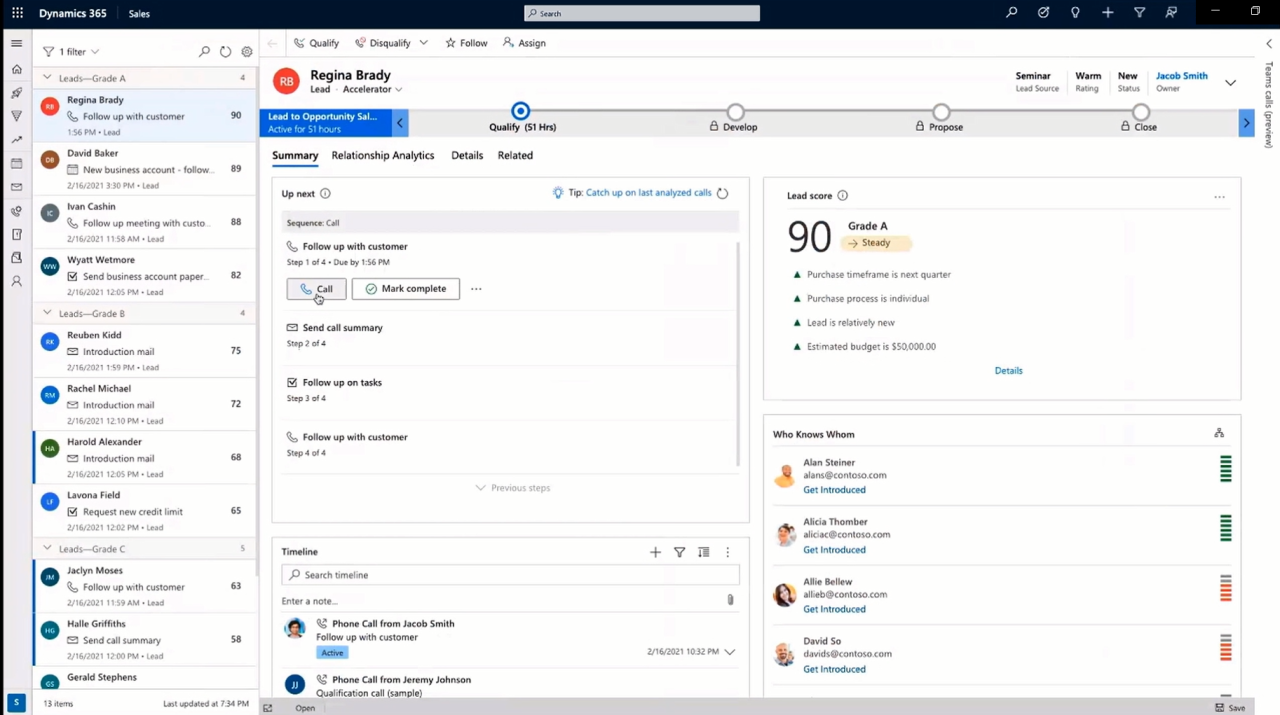
Microsoft Dynamics and Integration with Microsoft Teams is revolutionizing how businesses collaborate and streamline their operations. By seamlessly connecting these powerful platforms, organizations can enhance productivity, improve communication, and foster a more unified work environment. This integration not only simplifies project management but also enriches customer interactions, making it an essential tool for modern enterprises.
The synergy between Microsoft Dynamics and Microsoft Teams allows teams to access critical data and resources directly within their communication platform. As businesses continue to adapt to the evolving landscape of remote work, knowing how to leverage this integration can provide a competitive edge, ensuring smoother workflows and stronger teamwork.
In the ever-evolving world of technology and communication, the importance of effectively conveying information has never been more critical. As society becomes increasingly interconnected, the ability to articulate thoughts clearly and persuasively is a skill that transcends industries and professions. In this article, we will delve into the significance of communication, explore various communication styles, and provide tips on how to enhance your communication skills for personal and professional growth.To begin with, let’s explore what communication truly means.
At its core, communication is the process of exchanging information, thoughts, or feelings between individuals or groups. This exchange can take many forms, including verbal, non-verbal, written, and visual communication. Each type has its unique nuances, and understanding these can help us become more effective communicators.Verbal communication, the most commonly used form, involves the spoken word. It is essential in everyday interactions, presentations, meetings, and interviews.
The key to effective verbal communication lies in clarity and confidence. When speaking, it is crucial to articulate your words clearly, maintain an appropriate tone, and adjust your pace to ensure your audience can follow along. Additionally, being mindful of your body language can enhance your verbal communication. Gestures, facial expressions, and eye contact all play a significant role in how your message is received.Next, we have non-verbal communication, which often speaks louder than words.
This includes body language, posture, gestures, and even silence. Non-verbal cues can convey emotions and attitudes that may not be expressed verbally. For instance, crossed arms may suggest defensiveness, while an open posture can signal receptiveness. Being aware of your own non-verbal signals, as well as those of others, can greatly improve your ability to communicate effectively.Written communication is another vital component of effective communication.
It encompasses emails, reports, social media posts, and any other form of written interaction. The challenge with written communication is that it lacks the immediate feedback of verbal communication. Therefore, clarity and conciseness become paramount. When writing, it’s essential to organize your thoughts logically, use appropriate grammar and punctuation, and avoid jargon that may confuse your readers. Additionally, tailoring your message to your audience can significantly enhance its impact.Visual communication is a powerful tool that often complements verbal and written forms.
Incorporating images, charts, graphs, and videos can help convey complex information more effectively. Visuals can capture attention and aid in retention, making your message more memorable. In today’s digital age, leveraging visual communication through platforms such as PowerPoint presentations or infographics can elevate your communication strategy.Now that we’ve established the different forms of communication, let’s explore the various communication styles.
Understanding your unique style, as well as the styles of those around you, can lead to more fruitful interactions. There are generally four main communication styles: assertive, passive, aggressive, and passive-aggressive.
1. Assertive Communication
This style is characterized by confidence and respect for oneself and others. Assertive communicators express their thoughts and feelings openly and honestly while also being considerate of others’ viewpoints. They are often effective in negotiations and conflict resolution, as they approach discussions with a sense of balance.
2. Passive Communication
Individuals with a passive communication style often prioritize others’ needs over their own. They may struggle to express their opinions and feelings, leading to misunderstandings or resentment. While being accommodating can be positive, it’s essential to find a balance and assert oneself when necessary.
3. Aggressive Communication
This style is often marked by hostility or domination. Aggressive communicators may interrupt others, raise their voices, or use intimidating body language. While they may get their point across, this style can alienate others and create a toxic communication environment.
4. Passive-Aggressive Communication
This style combines elements of passive and aggressive communication. Individuals may indirectly express their anger or frustration through sarcasm, procrastination, or backhanded compliments. This can lead to misunderstandings and unresolved conflicts, making it essential to address issues directly.To improve your communication skills, consider the following tips:
1. Practice Active Listening
Good communication starts with listening. When engaging in conversation, focus on what the other person is saying without planning your response while they speak. Show genuine interest by nodding, making eye contact, and asking follow-up questions. This not only demonstrates respect but also helps you fully understand their perspective.
2. Be Clear and Concise
Whether speaking or writing, aim for clarity. Avoid using jargon or overly complex language that may confuse your audience. Instead, break down your ideas into digestible pieces. Clear communication minimizes misunderstandings and ensures your message is received as intended.
3. Know Your Audience
Tailor your communication style to your audience. Consider their values, preferences, and level of understanding. Adapting your message can enhance its effectiveness. For instance, a more formal tone may be appropriate in a professional setting, while a casual tone may be suitable for friends or family.
4. Seek Feedback
After a conversation or presentation, ask for feedback. This can provide valuable insights into how your message was received and areas for improvement. Constructive criticism can guide your growth as a communicator.
5. Practice Empathy
Empathy plays a crucial role in effective communication. Try to put yourself in the other person’s shoes and understand their feelings and perspectives. This can foster deeper connections and create a more positive dialogue.
6. Enhance Your Non-Verbal Skills
Be aware of your body language and facial expressions. Ensure they align with your verbal message. For example, maintaining an open posture and a warm smile can make you appear more approachable and engaged.
7. Stay Calm Under Pressure
In high-stress situations, it’s easy to lose composure. Practicing mindfulness techniques, such as deep breathing, can help you remain calm and collected during challenging conversations. This allows you to articulate your thoughts more effectively.
8. Keep Practicing
Like any skill, communication takes practice. Engage in conversations, participate in public speaking, or join groups focused on communication skills, such as Toastmasters. The more you practice, the more comfortable and effective you will become as a communicator.In conclusion, effective communication is a vital skill in today’s fast-paced world. By understanding the various forms and styles of communication, and by honing your skills through practice and feedback, you can enhance your ability to connect with others.
Whether in your personal life or your career, strong communication skills can open doors, foster relationships, and lead to success. Embrace the art of communication, and watch how it transforms your interactions and opportunities.
User Queries: Microsoft Dynamics And Integration With Microsoft Teams
What are the benefits of integrating Microsoft Dynamics with Teams?
The integration enhances collaboration, streamlines communication, and provides easy access to data, improving overall productivity.
Can Microsoft Dynamics and Teams be used on mobile devices?
Yes, both platforms are accessible on mobile devices, allowing users to stay connected and manage tasks on the go.
Is technical support available for this integration?
Yes, Microsoft offers various support options, including online resources and community forums for troubleshooting and assistance.
How does this integration impact user experience?
It simplifies workflows by reducing the need to switch between applications, creating a more seamless and efficient user experience.
Are there specific industries that benefit more from this integration?
While beneficial across all sectors, industries like retail, healthcare, and finance see significant improvements due to their reliance on data and team collaboration.