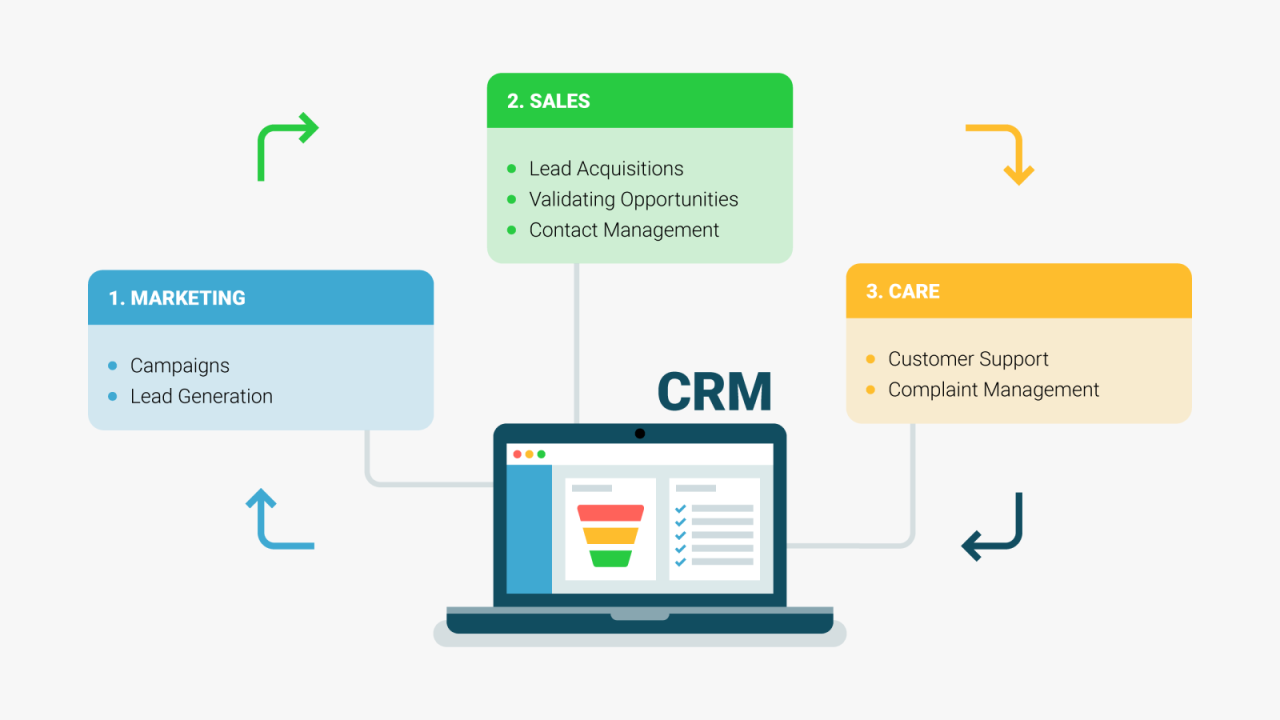
What Is CRM Software and Why Your Business Needs It is a crucial topic for any business aiming to thrive in today’s competitive landscape. Customer Relationship Management (CRM) software helps businesses streamline their operations, improve customer satisfaction, and build lasting relationships. By effectively managing customer interactions and data throughout the customer lifecycle, CRM systems can significantly enhance productivity and sales performance.
This software not only automates daily tasks but also provides insights that can shape strategies for growth and engagement. As businesses increasingly recognize the importance of keeping their customers happy, understanding CRM software becomes essential for achieving long-term success.
In today’s rapidly evolving digital landscape, the importance of effective communication cannot be overstated. Whether in a personal or professional context, the way we convey our thoughts significantly impacts our relationships, success, and overall understanding. In this article, we will delve into various aspects of communication, explore its different forms, and discuss strategies to enhance our communication skills.To begin with, let’s define communication.
At its core, communication is the process of sharing information, thoughts, or feelings between individuals or groups. It can take many forms, including verbal, non-verbal, written, and visual communication. Each of these forms plays a crucial role in how we connect with others and express ourselves.Verbal communication is perhaps the most recognizable form. It includes spoken words, tone of voice, and even the pace at which we speak.
Effective verbal communication requires clarity and conciseness. It’s essential to articulate our thoughts clearly to ensure the listener understands our message. Moreover, the tone and pace can also convey emotions and intent. For instance, speaking in a calm tone can promote understanding, while a hurried pace may indicate urgency or anxiety.Non-verbal communication, often overlooked, is equally vital. This form encompasses body language, facial expressions, gestures, and eye contact.
Studies suggest that a significant portion of our communication is non-verbal, with estimates indicating that up to 93% of communication is conveyed through non-verbal means. For example, maintaining eye contact can demonstrate confidence and engagement, while crossed arms may suggest defensiveness or resistance. Being aware of our non-verbal cues and those of others can greatly enhance our interactions.Written communication, including emails, reports, and social media posts, is another essential component.
In a world where remote work and digital interactions have become the norm, the ability to communicate effectively through writing is paramount. Clear and concise writing, free from jargon and ambiguity, ensures the intended message is received as intended. Additionally, proper grammar and punctuation contribute to the professionalism of written communication.Visual communication, which includes images, graphs, videos, and infographics, plays a critical role, especially in an age dominated by visual media.
Visuals can enhance our messages, making complex information more digestible and engaging. Effective use of visuals can capture attention and improve comprehension, making them a powerful tool in presentations and marketing.Now that we have explored the different forms of communication, let’s discuss the barriers that can impede effective communication. Common barriers include language differences, cultural variations, distractions, and emotional states.
For example, language barriers can hinder understanding, especially in diverse workplaces. Cultivating an awareness of cultural differences in communication styles and preferences can help bridge these gaps.To overcome these barriers, individuals can adopt several strategies. First, active listening is crucial. This involves fully concentrating on the speaker, understanding their message, responding thoughtfully, and retaining the information communicated. Active listening not only improves comprehension but also demonstrates respect and appreciation for the speaker.Secondly, asking questions can clarify misunderstandings and demonstrate engagement.
Open-ended questions encourage more profound discussions and provide opportunities for further exploration of ideas. This interactive approach fosters a collaborative communication environment.Another effective strategy is to tailor our communication style to our audience. Understanding the preferences and needs of the listeners can facilitate better engagement. For instance, when communicating with colleagues, using industry-specific terminology may be appropriate, while simplifying language for clients or stakeholders who may not be familiar with the jargon can enhance understanding.Furthermore, feedback is a crucial component of effective communication.
Providing constructive feedback helps improve relationships and promotes growth. Similarly, being open to receiving feedback allows individuals to refine their communication skills and develop self-awareness.In the context of professional settings, effective communication is a cornerstone of successful teamwork and leadership. Teams that communicate openly and constructively are better equipped to navigate challenges, innovate, and achieve their objectives. Leaders who prioritize transparent communication foster trust and loyalty among their team members, creating a positive work environment.The rise of remote work has further underscored the need for effective communication.
With teams dispersed across various locations, clear and consistent communication is essential to maintain cohesion and collaboration. Regular check-ins, video conferences, and collaborative tools can help bridge the gap created by physical distance.In personal relationships, effective communication fosters deeper connections and understanding. Openly sharing thoughts and feelings can strengthen bonds, while transparent discussions can resolve conflicts and misunderstandings. Emotional intelligence plays a significant role in personal communication, as it enables individuals to navigate their emotions and those of others effectively.In conclusion, effective communication is a multifaceted skill that significantly influences our personal and professional lives.
By understanding the different forms of communication, recognizing barriers, and adopting strategies to enhance our skills, we can foster better relationships, improve collaboration, and achieve our goals. In a world where communication is more critical than ever, investing in our communication skills is an investment in our future success. Embrace the journey of becoming a better communicator and witness the positive impact it can have on every aspect of your life.
Popular Questions: What Is CRM Software And Why Your Business Needs It
What are the key features of CRM software?
The key features typically include contact management, sales tracking, email marketing integration, reporting tools, and customer support functionalities.
How can CRM software improve customer service?
CRM software helps organize customer data, allowing for personalized interactions and quicker response times, ultimately enhancing customer service.
Is CRM software suitable for small businesses?
Absolutely! Many CRM solutions are designed specifically for small businesses, offering scalable options to fit various budgets and needs.
Can CRM software be used in any industry?
Yes, CRM software is versatile and can be adapted for use in a wide range of industries, including retail, healthcare, finance, and more.
What should I consider when choosing a CRM system?
Key considerations include ease of use, integration capabilities, scalability, customer support, and pricing to ensure it meets your business’s specific needs.