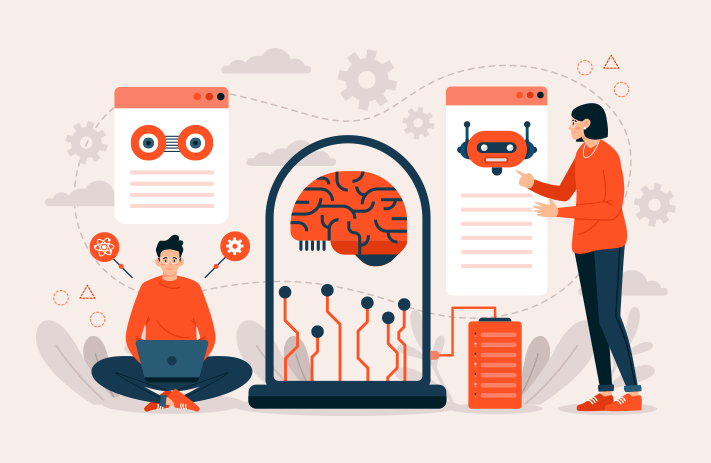
The Role of AI and Automation in Modern Project Management is transforming how projects are planned, executed, and monitored across various industries. As organizations strive for greater efficiency and effectiveness, the integration of AI and automation tools is becoming essential. This technological evolution promises not only to streamline processes but also to enhance decision-making and resource allocation, ultimately leading to more successful project outcomes.
In today’s fast-paced environment, understanding the influence of AI and automation on project management is crucial. With capabilities ranging from predictive analytics to task automation, these advancements are reshaping traditional methodologies and challenging project managers to adapt to a new landscape where technology plays a pivotal role.
In today’s fast-paced digital world, the need for effective communication skills cannot be overstated. Whether you are communicating with colleagues at work, interacting with clients, or engaging in social conversations, the ability to express yourself clearly and confidently is essential. This article delves into the importance of communication skills, the different types of communication, and practical tips to enhance these skills in both personal and professional settings.### The Importance of Communication SkillsFirst and foremost, communication skills are fundamental to building and maintaining relationships.
In both personal and professional life, the ability to convey one’s thoughts, feelings, and ideas clearly can lead to more meaningful interactions. Effective communication fosters trust and collaboration, enabling teams to work cohesively towards common goals. In contrast, poor communication can lead to misunderstandings, conflict, and frustration.Moreover, strong communication skills are often linked to career advancement. Employers value individuals who can articulate their ideas, listen actively, and engage effectively with others.
In many cases, the ability to communicate well can set candidates apart in the job market, making them more appealing to potential employers. As one climbs the corporate ladder, these skills become even more critical, as leaders are tasked with guiding teams, negotiating deals, and representing their organizations.### Types of CommunicationCommunication can be broadly categorized into several types, each contributing differently to our interactions:
1. Verbal Communication
This includes the spoken language used in conversations, presentations, and meetings. Effective verbal communication involves not only the words chosen but also the tone, pitch, and clarity of speech. Being articulate and confident enhances the message being communicated.
2. Nonverbal Communication
A significant portion of communication is nonverbal, encompassing body language, facial expressions, and gestures. For instance, maintaining eye contact can convey confidence and engagement, while crossed arms might suggest defensiveness. Being aware of nonverbal cues can help individuals interpret the emotions and reactions of others better.
3. Written Communication
In a world dominated by emails, reports, and social media, written communication is more vital than ever. Clear and concise writing is essential for effective communication, whether drafting a business proposal or sending a casual message to a friend. Good writing skills reflect professionalism and attention to detail.
4. Listening Skills
Often overlooked, listening is a crucial component of communication. Active listening involves fully concentrating on what is being said and responding thoughtfully. This skill can significantly enhance interactions, making the speaker feel valued and understood.
5. Visual Communication
This involves the use of visual aids to enhance understanding, such as images, graphs, and charts. In presentations, visual communication can help clarify complex information and keep the audience engaged.### Tips to Enhance Communication SkillsImproving communication skills is an ongoing process that requires practice and self-reflection. Here are several practical tips to enhance your abilities:
1. Practice Active Listening
To become a better communicator, start by honing your listening skills. Pay full attention when others speak, and avoid interrupting. Reflect on what has been said before responding, and ask clarifying questions if needed. This not only helps in understanding the speaker’s perspective but also shows that you value their input.
2. Expand Your Vocabulary
A rich vocabulary allows for precise expression of thoughts and ideas. Reading regularly, whether books, articles, or professional journals, can help expand your vocabulary. However, it’s essential to use complex words judiciously and ensure that they fit within the context of the conversation.
3. Be Mindful of Body Language
Since nonverbal communication plays a significant role in how messages are received, be conscious of your body language. Maintain an open posture, avoid crossing your arms, and use gestures to emphasize points. Additionally, pay attention to the body language of others and adjust your approach accordingly.
4. Tailor Your Message
Different audiences require different approaches. Whether you are addressing a formal board meeting or conversing with friends, tailor your language and tone to fit the context. Understanding the audience will enable you to communicate more effectively.
5. Seek Feedback
Constructive feedback is invaluable in honing communication skills. Ask trusted friends, colleagues, or mentors for their honest opinions about your communication style. Be open to criticism and willing to make adjustments based on the feedback you receive.
6. Join Toastmasters or Similar Groups
Organizations like Toastmasters provide a supportive environment to develop public speaking and leadership skills. Regular practice in a group setting can significantly boost your confidence and ability to communicate effectively.
7. Record and Analyze Yourself
Recording yourself during practice speeches or presentations can help identify areas that need improvement. Pay attention to your tone, pace, and body language. Analyzing these recordings can reveal patterns you may not notice in real-time.
8. Stay Calm Under Pressure
In high-stress situations, maintaining composure is crucial for effective communication. Practice techniques such as deep breathing or visualization to help manage anxiety before speaking in front of others.
9. Read Books on Communication
Books like “Crucial Conversations” by Patterson et al. and “How to Win Friends and Influence People” by Dale Carnegie offer valuable insights into effective communication strategies. Reading and applying these principles can significantly enhance your communication skills.1
0. Embrace Technology
In the digital age, technology plays a pivotal role in communication. Familiarize yourself with various communication tools, such as video conferencing software, project management apps, and collaborative platforms. Mastering these tools can enhance both your verbal and written communication skills in a professional context.### ConclusionIn conclusion, communication skills are a cornerstone of successful interactions in both personal and professional realms.
By understanding the different types of communication and implementing practical strategies for improvement, individuals can enhance their ability to connect with others. As you embark on this journey of developing your communication skills, remember that practice is key—so keep engaging, listening, and expressing yourself with clarity and confidence. Embrace the challenge, and you’ll likely find that effective communication opens doors to new opportunities and enriching relationships.
Top FAQs: The Role Of AI And Automation In Modern Project Management
How does AI improve project management?
AI improves project management by providing predictive analytics, automating routine tasks, and enhancing decision-making processes through data-driven insights.
What are some challenges of integrating AI in project management?
Challenges include resistance to change, the need for specialized skills, data privacy concerns, and ensuring the reliability of AI systems.
Can automation replace project managers?
While automation can handle repetitive tasks, it cannot replace the human elements of leadership, communication, and critical thinking that project managers provide.
What tools are commonly used for AI and automation in project management?
Common tools include project management software with AI capabilities, robotic process automation (RPA) tools, and advanced analytics platforms.
What skills should project managers develop to work effectively with AI?
Project managers should develop skills in data analysis, technology adoption, and change management to leverage AI effectively in their projects.