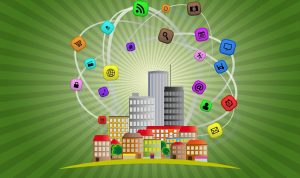
The Growth of E Commerce and Its Technological Backbone sets the stage for this enthralling narrative, offering readers a glimpse into a story that is rich in detail and brimming with originality from the outset.
As online shopping becomes a cornerstone of modern commerce, understanding the technological frameworks that support this explosive growth is essential. From secure payment systems to advanced logistics, technology is the backbone enabling e-commerce to thrive. This exploration delves into various facets of e-commerce, including its rapid expansion, the sophisticated technologies driving it, and the implications for businesses and consumers alike.
In today’s fast-paced world, where information is at our fingertips, the importance of effective communication cannot be overstated. Whether in personal relationships or professional settings, the art of conveying thoughts and ideas clearly and concisely is crucial. This article delves into the intricacies of communication, exploring various methods, the significance of active listening, and tips for enhancing your communication skills.Communication is defined as the process of sharing information, thoughts, or feelings between individuals.
It encompasses a broad range of modalities, including verbal, non-verbal, written, and visual communication. Each of these forms has its unique benefits and considerations, making it essential to choose the right approach depending on the context. Verbal CommunicationVerbal communication involves the use of spoken words to convey a message. This type of communication is often the most immediate form and can be further categorized into formal and informal styles.
Formal verbal communication typically occurs in professional settings, such as meetings or presentations, where clarity and precision are paramount. On the other hand, informal communication is more relaxed, taking place in casual conversations with friends or family.When engaging in verbal communication, it is vital to consider tone, volume, and pace. The way we speak can significantly affect how our message is received.
For example, a calm and steady tone can convey confidence, while a hurried speech may suggest anxiety or uncertainty. Practicing modulation and being aware of these elements can enhance the effectiveness of verbal communication. Non-Verbal CommunicationWhile words hold power, non-verbal communication often speaks volumes. This form of communication includes body language, facial expressions, gestures, and eye contact. Research indicates that a significant portion of our communication is non-verbal, with some studies suggesting that over 90% of communication is conveyed through non-verbal cues.For instance, maintaining eye contact can demonstrate confidence and interest, while crossed arms may signal defensiveness or disinterest.
Similarly, facial expressions can convey emotions more effectively than words alone. Being aware of your own non-verbal signals and reading those of others can dramatically improve your ability to communicate effectively. Written CommunicationWritten communication is essential in our digital age, where emails, texts, and social media have become primary means of interaction. Clarity and conciseness are critical when crafting written messages, as the lack of immediate feedback can lead to misunderstandings.
Consider the audience and the purpose of your message when writing. A professional email, for example, should maintain a formal tone, while a text message to a friend can be more casual.To enhance written communication, consider the following tips:
1. Know Your Audience
Tailor your language and tone to suit the recipient.
2. Be Clear and Concise
Avoid jargon and complex sentences that may confuse the reader.
3. Edit and Proofread
Take the time to revise your writing to eliminate errors and improve clarity. Visual CommunicationVisual communication involves the use of visual aids to convey information. This can include graphs, charts, infographics, and images. Visuals can enhance comprehension, especially when dealing with complex data or concepts. Utilizing visual elements effectively can make presentations more engaging and help reinforce key points.When incorporating visuals, ensure they are relevant and enhance the message rather than distract from it.
Effective visual communication can make information more accessible and appealing to diverse audiences. The Importance of Active ListeningWhile expressing oneself is essential, equally important is the ability to listen actively. Active listening is the practice of fully concentrating, understanding, and responding to what the speaker is saying. It goes beyond just hearing words; it involves engagement and feedback. To practice active listening, consider these strategies:
1. Give Full Attention
Put away distractions and focus on the speaker.
2. Show Interest
Use body language, such as nodding or leaning slightly forward, to indicate engagement.
3. Reflect and Clarify
Paraphrase what the speaker has said to ensure understanding and demonstrate that you are listening.Active listening fosters better relationships, reduces misunderstandings, and encourages open dialogue. By making a conscious effort to listen, you create a more respectful and supportive communication environment. Enhancing Your Communication SkillsImproving communication skills is an ongoing process that requires self-awareness and practice. Here are some practical tips to help you become a more effective communicator:
1. Seek Feedback
Ask for constructive feedback from peers or mentors about your communication style and areas for improvement.
2. Practice Empathy
Try to understand others’ perspectives and emotions. This can aid in conveying your message more thoughtfully.
3. Engage in Conversations
Regularly participate in discussions, both formal and informal, to practice articulating your thoughts.
4. Watch and Learn
Observe skilled communicators, whether in person or through media, and analyze what makes their communication effective.
5. Keep Learning
Attend workshops or read books on communication to continually refine your skills. ConclusionEffective communication is a vital skill that can significantly impact personal and professional relationships. By understanding the various forms of communication—verbal, non-verbal, written, and visual—individuals can choose the most appropriate methods to convey their messages. Active listening plays an equally crucial role in fostering understanding and connection.
By continually seeking to improve communication skills, anyone can become a more effective and engaging communicator. As the world becomes more interconnected, the ability to communicate effectively will only grow in importance, making it a worthy endeavor for everyone. Remember, communication is not just about speaking; it’s about connecting, understanding, and building relationships. So, let’s embrace the art of communication and make our interactions more meaningful.

FAQ Guide: The Growth Of E Commerce And Its Technological Backbone
What is e-commerce?
E-commerce refers to the buying and selling of goods and services over the internet.
Why is technology important for e-commerce?
Technology enhances efficiency, security, and customer experience, enabling businesses to operate effectively in the digital marketplace.
What are some key technologies used in e-commerce?
Key technologies include payment gateways, cloud computing, mobile apps, and AI-driven analytics.
How has e-commerce changed consumer behavior?
E-commerce has made shopping more convenient and accessible, allowing consumers to shop anytime and anywhere.
What trends are shaping the future of e-commerce?
Emerging trends include personalization, social commerce, and the integration of augmented reality.