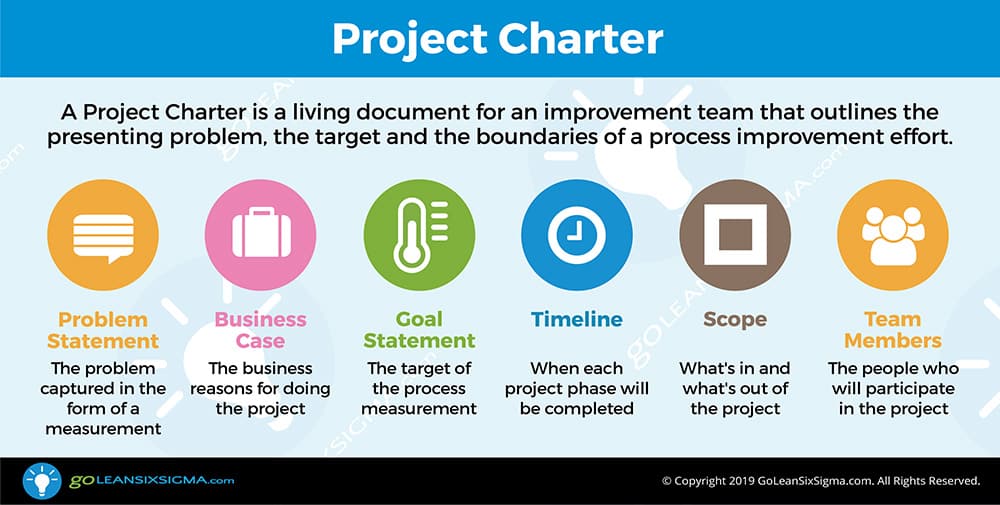
Project Charter: Key Components and How to Create One sets the stage for this enthralling narrative, offering readers a glimpse into the essential elements that contribute to successful project management. A well-crafted project charter serves as a foundational document that Artikels the objectives, scope, and key stakeholders involved in a project, ensuring everyone is on the same page from the get-go.
Understanding the significance of this document can greatly enhance communication and efficiency within teams, ultimately leading to successful project outcomes.
In today’s fast-paced world, the importance of effective communication cannot be overstated. Whether in a professional setting or casual interactions, the ability to convey ideas clearly and concisely is an invaluable skill. This article will explore the various facets of communication, the significance of active listening, and the impact of non-verbal cues. To begin with, let’s delve into the fundamentals of effective communication.
At its core, communication is the process of exchanging information, thoughts, or feelings between individuals. This can take many forms, such as spoken words, written messages, body language, and even facial expressions. The key to successful communication lies in the understanding of these different modalities and how they interact.One of the most critical components of communication is clarity. When expressing thoughts or ideas, it is essential to be clear in your messaging.
Ambiguity can lead to misunderstandings, which can create confusion or, at worst, conflict. To ensure clarity, one should focus on using straightforward language and structuring thoughts logically. For example, instead of saying, “We should consider the options available,” it is more effective to say, “Let’s explore the three options: X, Y, and Z.”Alongside clarity is the significance of active listening.
Active listening goes beyond just hearing words; it involves fully engaging with the speaker, understanding their message, and responding thoughtfully. This skill fosters better relationships and enhances collaboration, as people feel valued and understood when others genuinely listen. To practice active listening, one can:
- Maintain eye contact with the speaker, showing attentiveness.
- Nod or use brief verbal affirmations like “I see” or “Go on” to encourage the speaker.
- Rephrase or summarize what the speaker has said to demonstrate understanding and clarify any ambiguous points.
Moreover, it is essential to manage distractions during conversations. In our technology-driven age, it is all too easy to get sidetracked by notifications or other interruptions. To create a conducive environment for communication, it is advisable to minimize external distractions, such as silencing phones and choosing quiet spaces for discussions.Another critical aspect of communication is non-verbal cues. Often, the way we say something can be just as important as what we say.
Non-verbal communication includes body language, facial expressions, gestures, and tone of voice. For instance, crossed arms may suggest defensiveness, while an open posture can indicate receptiveness and openness to discussion. Being mindful of these cues can significantly enhance how messages are received.It is also important to recognize that communication styles can vary greatly among individuals. Factors such as cultural background, personal experiences, and personality traits can influence how one communicates.
Understanding these differences can lead to more effective interactions. For example, some cultures may prioritize indirect communication, while others value directness. Being aware of these nuances can help avoid misunderstandings and foster a more inclusive environment.In the workplace, effective communication is paramount. It can significantly impact team dynamics, productivity, and overall morale. Leaders, in particular, play a crucial role in establishing a culture of open communication.
By encouraging team members to share ideas and feedback, leaders can create an atmosphere where everyone feels empowered to contribute. This not only leads to innovative solutions but also strengthens team cohesion.Moreover, communication is vital during times of change or crisis. Whether it’s a corporate restructuring, a shift in company policy, or an unexpected challenge, clear and transparent communication helps alleviate anxiety among employees.
Regular updates, open forums for questions, and honest discussions about uncertainties can build trust and foster resilience within a team.In addition to verbal and non-verbal communication, written communication is another essential skill. In today’s digital age, much of our communication occurs via email, messaging apps, and social media. Writing clearly and professionally is crucial, especially in a business context. When drafting emails or reports, it is important to:
- Use a clear subject line that summarizes the content.
- Begin with a polite greeting and end with a courteous closing.
- Keep paragraphs concise and focused, ensuring that the main points are easy to identify.
Lastly, feedback is a critical component of effective communication. Providing constructive feedback helps individuals understand areas for improvement while also acknowledging their strengths. Similarly, receiving feedback graciously demonstrates openness to growth and development. It is essential to approach feedback as a two-way street, fostering an environment where both parties feel comfortable sharing insights.In summary, effective communication is a multifaceted skill that encompasses clarity, active listening, non-verbal cues, and written communication.
By honing these skills, individuals and teams can enhance their interactions, foster collaboration, and navigate challenges more effectively. As communication continues to evolve, staying attuned to these principles will ensure that we not only convey our messages clearly but also connect meaningfully with others.
FAQ Explained: Project Charter: Key Components And How To Create One
What is a project charter?
A project charter is a formal document that defines the scope, objectives, and stakeholders of a project, serving as a foundational agreement for project execution.
Why is a project charter important?
It provides clarity on project goals, aligns stakeholder expectations, and serves as a reference point throughout the project lifecycle.
Who should be involved in creating a project charter?
Key stakeholders, including project sponsors, team members, and subject matter experts, should collaborate to ensure comprehensive input and alignment.
How often should a project charter be reviewed?
A project charter should be reviewed at key project milestones or whenever significant changes occur to ensure it remains relevant and accurate.
Can a project charter be modified?
Yes, a project charter can be modified to reflect changes in project scope, objectives, or stakeholders, but such changes should be documented and reviewed by relevant parties.