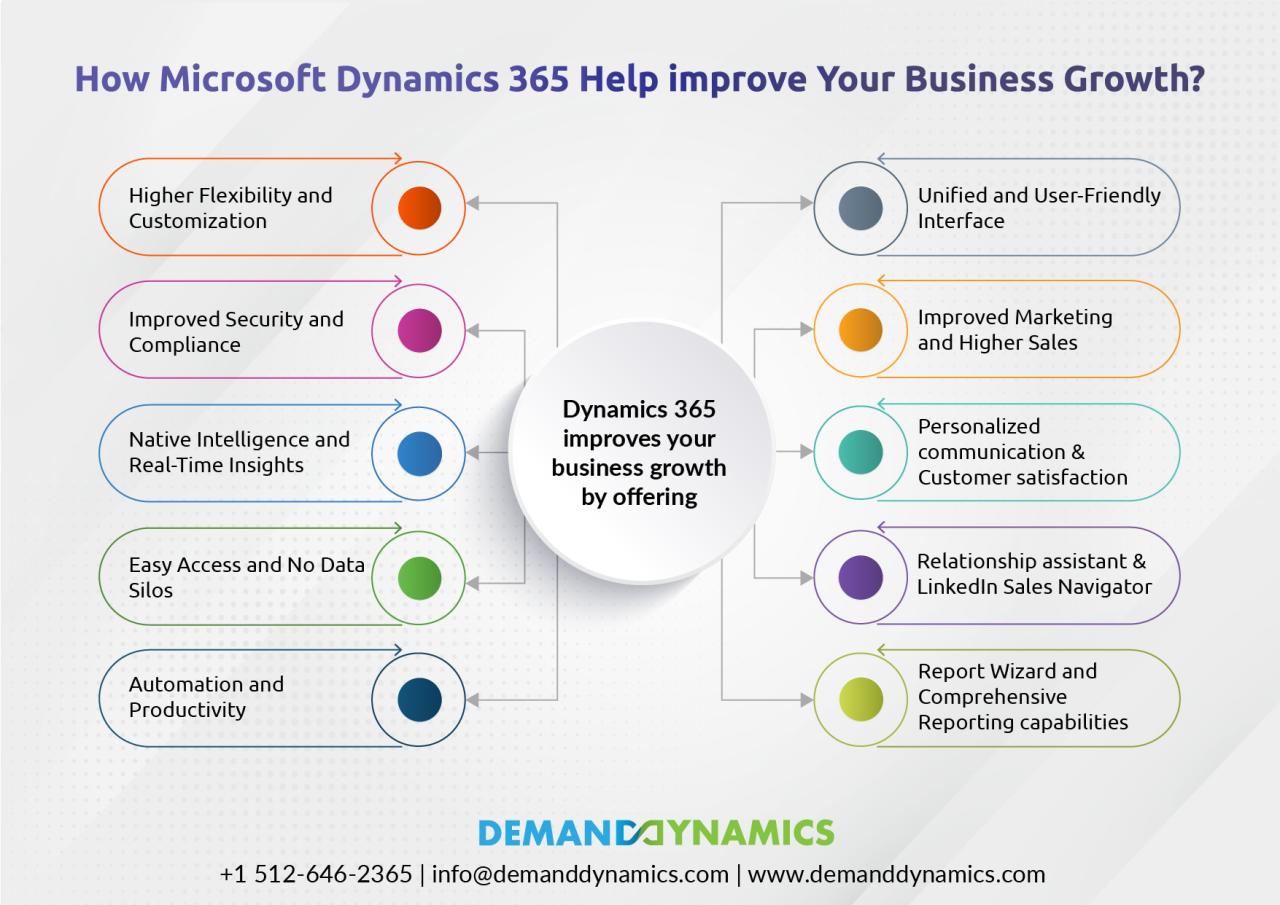
Is Microsoft Dynamics Suitable for Medium-Sized Businesses? This question has become increasingly relevant as companies seek efficient solutions to manage their operations. Microsoft Dynamics offers a robust suite of tools that can potentially streamline processes, enhance customer relationship management, and boost overall productivity for medium-sized enterprises. As these businesses navigate the complexities of growth, understanding the capabilities and advantages of Microsoft Dynamics can help them make informed decisions.
The software provides a range of modules tailored to various business functions, from finance and operations to sales and marketing. With its flexibility and scalability, Microsoft Dynamics has positioned itself as a strong contender in the market, promising to cater to the unique needs of medium-sized businesses striving for success in today’s competitive landscape.
In today’s fast-paced world, the importance of effective communication cannot be overstated. Whether in personal relationships or the professional realm, how we express our thoughts and ideas plays a significant role in shaping our interactions and outcomes. This article delves into the essentials of communication, exploring its various forms, the barriers that can hinder it, and strategies to enhance it for improved understanding and connection.### Understanding CommunicationAt its core, communication is the process of transmitting information between individuals or groups.
This can occur through various channels such as spoken or written words, body language, or even visual aids like graphs and images. Effective communication is not solely about sending a message but also about ensuring that the message is received and understood as intended.Communication can be classified into three main types:
1. Verbal Communication
This includes spoken and written forms. Verbal communication is often the most direct way to convey a message, allowing for immediate feedback and clarification.
2. Non-Verbal Communication
This encompasses body language, facial expressions, gestures, and tone of voice. Non-verbal cues can significantly impact how a message is perceived and can either reinforce or contradict verbal messages.
3. Visual Communication
Utilizing images, videos, and other visual aids can enhance understanding and retention of information. Visuals often complement verbal communication, helping to illustrate and emphasize key points.### The Importance of Effective CommunicationEffective communication is essential for various reasons:
Building Relationships
Good communication fosters trust and mutual respect. Whether with colleagues, friends, or family, clear and open dialogue strengthens bonds and encourages collaboration.
Enhancing Understanding
Effective communicators are better able to articulate their thoughts and ideas, leading to improved clarity and comprehension. This is particularly important in professional settings where misunderstandings can lead to costly errors.
Facilitating Problem-Solving
Open lines of communication allow for the free exchange of ideas, making it easier to brainstorm solutions and navigate challenges collaboratively.
Encouraging Engagement
When people feel heard and understood, they are more likely to participate actively in discussions and contribute their perspectives. This engagement can lead to more innovative and effective outcomes.### Barriers to Effective CommunicationDespite its importance, numerous barriers can impede effective communication. It’s crucial to recognize these obstacles to develop strategies for overcoming them.
1. Physical Barriers
These can include environmental factors such as noise, distance, or the use of digital communication tools that may not function properly. Physical barriers can disrupt the flow of communication and reduce the effectiveness of the message.
2. Perceptual Barriers
Differences in background, culture, or experiences can lead to misinterpretations. Individuals may perceive the same message differently based on their unique perspectives, which can create misunderstandings.
3. Emotional Barriers
Personal feelings and emotions can hinder communication. For instance, if someone is feeling anxious or upset, they may struggle to articulate their thoughts clearly, leading to frustration on both sides.
4. Language Barriers
Differences in language proficiency or jargon can create confusion. It’s essential to be mindful of the language used and adapt it to the audience for effective communication.
5. Attitudinal Barriers
Prejudices, biases, or preconceived notions can cloud judgment and hinder open dialogue. Being aware of one’s own attitudes and striving for an open mind can enhance communication.### Strategies for Enhancing CommunicationTo navigate the complexities of communication, consider implementing the following strategies:
1. Active Listening
Listening is just as crucial as speaking in effective communication. Active listening involves fully concentrating on the speaker, understanding their message, and responding thoughtfully. This not only shows respect but also ensures that the message is accurately conveyed.
2. Clarifying and Paraphrasing
When in doubt, it’s helpful to ask questions or paraphrase what the other person has said. This can clarify misunderstandings and ensures that both parties are on the same page.
3. Adapting Your Message
Tailor your communication style to your audience. Consider their background, preferences, and level of understanding. Using relatable examples and avoiding jargon can make your message more accessible.
4. Being Mindful of Non-Verbal Cues
Pay attention to your body language and the non-verbal signals of others. This can provide additional context to the conversation and help gauge the emotional tone.
5. Creating a Safe Environment
Foster an atmosphere where individuals feel comfortable expressing their thoughts and concerns. Encouraging open dialogue and being approachable can lead to more fruitful discussions.
6. Utilizing Visual Aids
Incorporate visual elements when appropriate to reinforce your message. Charts, graphs, and images can clarify complex information and enhance engagement.### The Role of Technology in CommunicationIn recent years, technology has significantly transformed the way we communicate. Digital tools such as email, social media, and instant messaging have made it easier to connect with others, regardless of geographical distances. However, while technology offers numerous advantages, it also presents unique challenges.
1. Benefits of Technology
Instant Communication
Technology allows for real-time communication, enabling faster decision-making and responses.
Broader Reach
Digital platforms facilitate communication with a global audience, breaking down geographical barriers.
Accessible Information
Online resources and tools provide easy access to information, enhancing knowledge sharing.
2. Challenges of Technology
Miscommunication
The absence of non-verbal cues in written communication can lead to misunderstandings. Tone and intent may be misinterpreted when messages are conveyed through text.
Overload of Information
The sheer volume of information available online can be overwhelming, making it difficult to discern what is relevant or accurate.
Digital Disconnection
While technology enables remote connections, it can also contribute to feelings of isolation if face-to-face interactions are lacking.### ConclusionEffective communication is a vital skill that can significantly impact both personal and professional relationships. By understanding the various forms of communication, recognizing potential barriers, and employing strategies to enhance clarity and understanding, individuals can improve their interactions and foster stronger connections.
In a world where communication is increasingly mediated by technology, being mindful of the nuances of both verbal and non-verbal cues is essential for navigating complex conversations and building meaningful relationships.As we continue to evolve in our communication practices, let’s embrace the opportunities to connect with others, share ideas, and collaborate effectively. By prioritizing effective communication, we not only improve our interactions but also contribute to a more understanding and engaged society.
Questions and Answers: Is Microsoft Dynamics Suitable For Medium-Sized Businesses
What are the key features of Microsoft Dynamics for medium-sized businesses?
Key features include financial management, customer relationship management, sales automation, and customizable reporting tools designed to meet the specific needs of medium-sized businesses.
How does Microsoft Dynamics compare to other ERP solutions?
Microsoft Dynamics stands out due to its user-friendly interface, seamless integration with other Microsoft products, and flexibility in customization, which can be particularly beneficial for medium-sized businesses.
Is Microsoft Dynamics cost-effective for medium-sized businesses?
Yes, while initial investment may seem significant, its long-term benefits, such as improved efficiency and cost savings through automation, often make it a cost-effective choice over time.
Can Microsoft Dynamics be scaled as a business grows?
Absolutely, Microsoft Dynamics is designed to be scalable, allowing medium-sized businesses to add features and modules as their operations expand.
What kind of support does Microsoft offer for Dynamics users?
Microsoft provides extensive support through documentation, online communities, and dedicated customer service options to assist users with any challenges they may encounter.