Common Mistakes in CRM Implementation are often overlooked but can significantly hinder a company’s success in effectively utilizing customer relationship management systems. Understanding these pitfalls not only helps in avoiding common traps but also paves the way for a smoother implementation process. Many organizations dive headfirst into CRM without a clear strategy, leading to wasted resources and unmet expectations.
As businesses increasingly rely on CRM systems to streamline operations and enhance customer interactions, it’s crucial to recognize the frequent errors that can undermine these efforts. From inadequate training to neglecting user feedback, being aware of these mistakes can empower teams to maximize their CRM investment and achieve their desired outcomes.
Welcome to the fascinating world of sustainable living! In today’s fast-paced society, where environmental concerns are becoming increasingly urgent, many individuals and communities are turning to sustainable practices to minimize their ecological footprint. This article will delve into the concept of sustainable living, its benefits, practical tips for adopting a sustainable lifestyle, and the impact it can have on our planet.### Understanding Sustainable LivingSustainable living is an approach to life that seeks to reduce an individual’s or society’s use of the Earth’s natural resources.
It involves making conscious choices that benefit both the environment and the economy, aiming for a balance between human needs and the health of the planet. The primary goal is to create a lifestyle that is environmentally friendly and socially just, ensuring that future generations can also enjoy the resources available today.At its core, sustainable living emphasizes the importance of conserving resources, reducing waste, and promoting social equity.
It encompasses various practices, from reducing energy consumption to supporting local economies and embracing renewable resources. By being more mindful about how we live, we can contribute to a healthier planet.### The Benefits of Sustainable Living
1. Environmental Impact
One of the most significant advantages of adopting a sustainable lifestyle is the positive effect it has on the environment. By reducing waste and conserving resources, we can help combat climate change, preserve biodiversity, and protect natural habitats.
2. Health Benefits
Sustainable living often promotes healthier choices, such as consuming more organic and locally sourced foods, which can lead to improved nutrition and overall well-being. Additionally, reducing pollution from waste and emissions contributes to cleaner air and water.
3. Economic Savings
While some sustainable products may have a higher upfront cost, many sustainable practices lead to long-term savings. For instance, energy-efficient appliances can reduce utility bills, and using public transportation or cycling can cut down on fuel expenses.
4. Community Engagement
Embracing sustainable living often encourages individuals to connect with their local communities. Participating in community gardens, local farmers’ markets, or environmental initiatives fosters a sense of belonging and collective responsibility for the environment.
5. Enhanced Quality of Life
Sustainable living promotes a slower, more intentional way of life, encouraging individuals to prioritize experiences over material possessions. This shift can lead to greater happiness and fulfillment.### Tips for Adopting a Sustainable LifestyleTransitioning to a sustainable lifestyle can seem daunting, but small changes can have a significant impact. Here are some practical tips to get started:#### 1. Reduce, Reuse, RecycleAdopting the “Three Rs” is foundational to sustainable living.
Begin by reducing your consumption of goods. Think critically about what you truly need and avoid impulse purchases. Next, consider reusing items whenever possible. For example, repurpose glass jars for storage instead of buying new containers. Lastly, recycle materials such as paper, plastic, and metal to minimize waste.#### 2.
Conserve EnergyEnergy consumption is a major contributor to environmental degradation. To reduce your energy use, switch to LED light bulbs, unplug electronics when not in use, and consider investing in energy-efficient appliances. Additionally, consider using a programmable thermostat to optimize heating and cooling in your home.#### 3. Embrace Renewable EnergyIf feasible, explore options for renewable energy sources like solar or wind power.
Installing solar panels can significantly reduce your reliance on fossil fuels and lower your electricity bills over time.#### 4. Choose Sustainable TransportationTransportation is a significant source of greenhouse gas emissions. Whenever possible, opt for public transport, carpooling, walking, or cycling. If you need to drive, consider choosing a fuel-efficient or electric vehicle.#### 5. Support Local and Organic ProductsBuying from local farmers and businesses not only supports the local economy but also reduces the carbon footprint associated with transporting goods.
Additionally, organic products are often grown without harmful pesticides and fertilizers, making them healthier options for you and the environment.#### 6. Reduce Water UsageWater is a precious resource. Simple practices like fixing leaks, using drought-resistant plants in landscaping, and taking shorter showers can help conserve water. Additionally, collect rainwater for gardening purposes.#### 7. Get Involved in Your CommunityEngage with local sustainability initiatives, such as community clean-up days, eco-friendly workshops, or advocacy for environmental policies.
Building connections with like-minded individuals can provide support and inspiration on your sustainable living journey.#### 8. Educate Yourself and OthersStay informed about sustainability issues and share your knowledge with friends and family. Raising awareness and encouraging discussions can inspire others to adopt more sustainable practices.### The Impact of Sustainable Living on the PlanetThe collective impact of individuals adopting sustainable living practices can lead to significant positive changes for our planet.
By reducing our carbon footprint, conserving natural resources, and protecting biodiversity, we can work towards a more sustainable future.As more people engage in sustainable practices, there is also the potential for systemic change. Industries and governments are increasingly recognizing the importance of sustainability, leading to innovations in technology and policy that prioritize environmental protection.Moreover, as consumer demand for sustainable products rises, businesses are incentivized to adopt eco-friendly practices.
This shift can lead to the development of greener technologies, further reducing the negative impact on the environment.### ConclusionSustainable living is more than just a trend; it is a necessary shift towards preserving our planet for future generations. By understanding the principles of sustainability, recognizing the benefits of adopting eco-friendly practices, and taking actionable steps in our daily lives, we can contribute to a healthier environment.
Each small change we make can lead to a larger collective impact, ultimately fostering a more sustainable future for all. So, let’s embrace sustainable living, not just for ourselves, but for the planet and the generations to come.
Question Bank: Common Mistakes In CRM Implementation
What is a common mistake in CRM implementation?
A frequent mistake is failing to involve end-users in the selection and implementation process, which can lead to resistance and underutilization of the system.
How can teams avoid these mistakes?
Teams can avoid mistakes by conducting thorough training, soliciting user feedback, and establishing clear goals before implementation.
Is it important to customize a CRM system?
Yes, customizing a CRM system to fit the specific needs of the business can greatly enhance its effectiveness and user adoption.
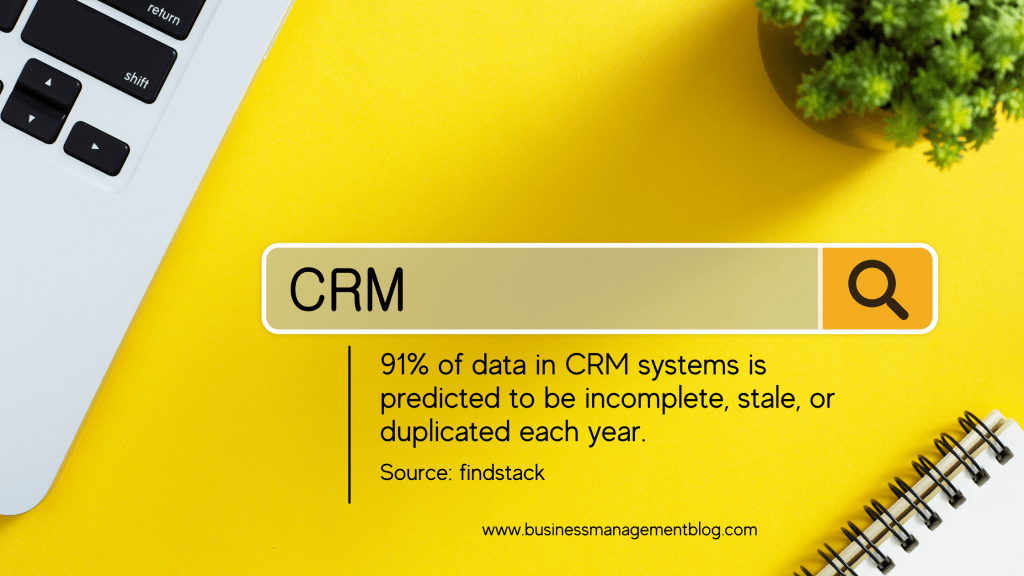
What role does data quality play in CRM success?
Data quality is crucial as inaccurate or incomplete data can lead to poor decision-making and diminished trust in the CRM system.
How does leadership impact CRM implementation?
Leadership plays a vital role in driving the adoption of CRM systems by championing the initiative and ensuring that it aligns with the organization’s strategic goals.